jaen Martiness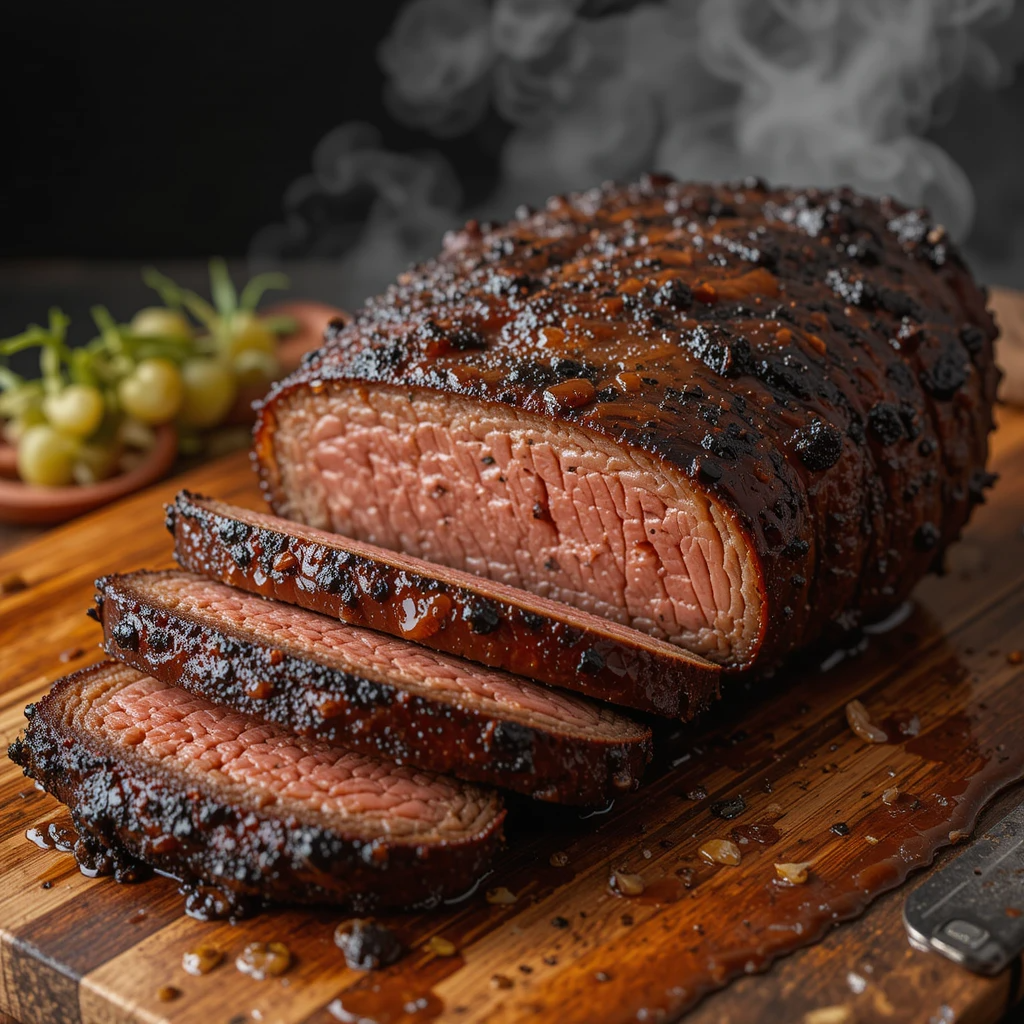
Hawaii, a land of breathtaking landscapes and rich cultural heritage, boasts a culinary tradition as diverse as its scenery. One standout element is Hawaiian smoked meat, a delicacy deeply rooted in the islands’ traditions. Let’s dive into the essence of what makes Hawaiian smoked meat a unique culinary experience.
History of Hawaiian Smoked Meat
Traditional Practices
Native Hawaiians, in their resourceful ways, developed distinct techniques for smoking meat. These practices, influenced by their connection to the land and sea, have evolved over centuries. The fusion of these traditional methods with the influences of other cultures adds layers of complexity to Hawaiian smoked meat.
Evolution Over Time
The introduction of smoking methods, from imu pits to modern smokers, marks a significant evolution. While the essence remains deeply traditional, the methods have adapted to the changing times, creating a bridge between the past and the present.
Key Ingredients
Local Meat Selection
The choice of meats is crucial to the unique flavors of Hawaiian smoked dishes. Native animals, skillfully selected, contribute to the distinct taste. Understanding the impact of local sourcing on flavor is key to appreciating the authenticity of these dishes.
Special Seasonings
Hawaiian smoked meat isn’t just about the protein; it’s also about the artful blend of spices. Traditional Hawaiian seasonings, with their unique profiles, create flavor combinations that tantalize the taste buds and leave a lasting impression.
Smoking Techniques
Imu Pits
The use of imu pits, or traditional earth ovens, adds a cultural layer to the smoking process. The significance of imu pits in Hawaiian culture goes beyond culinary; it’s a connection to the land, a practice deeply embedded in rituals and celebrations.
Modern Smoking Methods
As times change, so do cooking methods. Modern smokers and grills have found their place in Hawaiian kitchens, offering convenience without sacrificing tradition. The challenge lies in blending these modern tools with age-old techniques.
Cultural Significance
Celebratory Events
Hawaiian smoked meat plays a starring role in celebratory events like luaus and festivals. Its presence is not just about sustenance but adds a festive touch, turning gatherings into memorable occasions.
Symbolism and Rituals
Beyond its culinary role, smoked meat holds symbolic value in Hawaiian beliefs. Its inclusion in rituals reflects the deep connection Hawaiians maintain with their cultural heritage, passing down traditions through generations.
Unique Flavors and Textures
Smoky Essence
The smoky essence infused into Hawaiian smoked meat contributes significantly to its distinctive flavor profile. Understanding the cultural preferences that influence the intensity of this smokiness adds a layer of appreciation for these culinary creations.
Tender and Juicy Texture
The tender and juicy texture of Hawaiian smoked meat is an art form. Careful meat selection and precise smoking durations result in dishes that melt in the mouth, a testament to the culinary expertise honed over generations.
Popular Hawaiian Smoked Meat Dishes
Kalua Pig
A star of Hawaiian cuisine, kalua pig is a traditional delicacy with a preparation process that involves patience and skill. Understanding the cultural significance of this dish enhances the dining experience.
Pipikaula
Pipikaula, or dried and smoked beef, showcases the culinary versatility of Hawaiian smoked meat. Its unique preparation and flavors make it a favorite, highlighting the diversity within this culinary tradition.
Hawaiian Smoked Meat in Contemporary Cuisine
Fusion of Flavors
The fusion of Hawaiian smoked meat flavors with modern recipes creates a culinary journey that transcends cultural boundaries. This integration not only preserves tradition but also attracts a global audience.
Influence on Restaurant Menus
Beyond the shores of Hawaii, the influence of Hawaiian smoked meat is seen on restaurant menus worldwide. Its unique flavors become a selling point, adding an exotic touch to diverse culinary landscapes.
Challenges and Conservation Efforts
Sustainable Practices
Preserving traditional techniques while adopting sustainable practices is a delicate balance. Local sourcing and conscientious choices in preparation methods contribute to the conservation of this culinary heritage.
Balancing Tradition with Commercial Demands
Meeting market expectations without compromising cultural authenticity poses challenges. Striking the right balance ensures that Hawaiian smoked meat retains its unique identity amidst commercial demands.
Impact on Tourism
Culinary Tourism
The appeal of Hawaiian smoked meat extends beyond locals; it attracts food enthusiasts globally. Culinary tourism becomes a gateway for visitors to explore the cultural nuances embedded in each smoky bite.
Tips for Trying Hawaiian Smoked Meat
Local Recommendations
For an authentic experience, explore local recommendations. From hidden gems to popular joints, insiders’ tips guide you to the best places to savor the unique flavors of Hawaiian smoked meat.
DIY at Home
Bringing the Hawaiian culinary experience to your home is possible. Discover the joy of recreating smoked meat dishes, sourcing authentic ingredients for a taste of the islands in your kitchen.
Health Benefits
Nutritional Aspects
Hawaiian smoked meat isn’t just a treat for the taste buds; it also offers nutritional benefits. Lean meat options and balanced flavor choices contribute to a wholesome dining experience.
Cultural Well-being
The emotional and social aspects of sharing Hawaiian smoked meat go beyond the plate. It’s about creating connections, sharing stories, and fostering a sense of community well-being.
Stories and Anecdotes
Community Narratives
The beauty of Hawaiian smoked meat lies in the stories woven around it. Personal experiences, anecdotes, and shared memories create a tapestry that adds depth to the culinary journey.
Stories Passed Through Generations
As traditions are passed down through generations, so are the stories associated with Hawaiian smoked meat. These tales become a part of the cultural fabric, connecting the past with the present.
Popularity on Social Media
Instagram-Worthy Dishes
The visual appeal of Hawaiian smoked meat dishes makes them Instagram-worthy. The vibrant colors, textures, and cultural elements create a feast for the eyes, sparking social media engagement.
Community Engagement
Social media becomes a platform for sharing recipes, experiences, and memories related to Hawaiian smoked meat. Virtual culinary communities form, connecting enthusiasts and fostering a global appreciation for this unique cuisine.
Conclusion
In the heart of Hawaii’s culinary tapestry lies the unique art of smoking meat. From traditional practices rooted in the island’s history to the global influence seen on contemporary menus, Hawaiian smoked meat stands as a testament to the islands’ rich cultural heritage. Each bite tells a story, a narrative of tradition, celebration, and the vibrant flavors that make Hawaiian smoked meat truly exceptional.
FAQs
- Is Hawaiian smoked meat only popular in Hawaii?
- No, the popularity of Hawaiian smoked meat has transcended geographical boundaries and is enjoyed globally.
- What makes the smoky flavor in Hawaiian smoked meat unique?
- The use of traditional smoking methods like imu pits and the choice of local woods contribute to the distinct smoky essence.
- Can I recreate Hawaiian smoked meat at home?
- Absolutely! The article provides tips and recommendations for recreating Hawaiian smoked meat in your own kitchen.
- Are there health benefits to consuming Hawaiian smoked meat?
- Yes, Hawaiian smoked meat offers nutritional benefits, especially when opting for lean meat options and balanced flavor choices.
- How has social media impacted the popularity of Hawaiian smoked meat?
- Social media plays a significant role in showcasing the visual appeal of Hawaiian smoked meat dishes and fostering a global community of enthusiasts.